S.C.D.V.V. Pietroasa – The Cradle of Romanian Viticultural
Science
The full name of the Pietroasa Viticulture and Winemaking Research and Development Station, or in short - the Pietroasa Viticultural Station - belongs to the University of Agricultural Sciences and is primarily a research and study institution, with over 100 years of history.
I had been planning a visit to Pietroasa for a long time. At the beginning of July 2024, the opportunity arose for a trip, which (I say) should not be missing from the portfolio of any wine tourism lover.
Pietroasele is a place full of stories. An area full of legendary history and mysterious early traditions, the Pietroasele commune is especially known for its treasures – such as the Cloșca cu Puii de Aur (The Hen with the Golden Chicks,).
In 376. AD, the Visigoth king Athanaric hid the treasure Cloșca cu Puii de Aur in the fertile lands of Pietroasa, as a sign of gratitude for the fertile land found here.
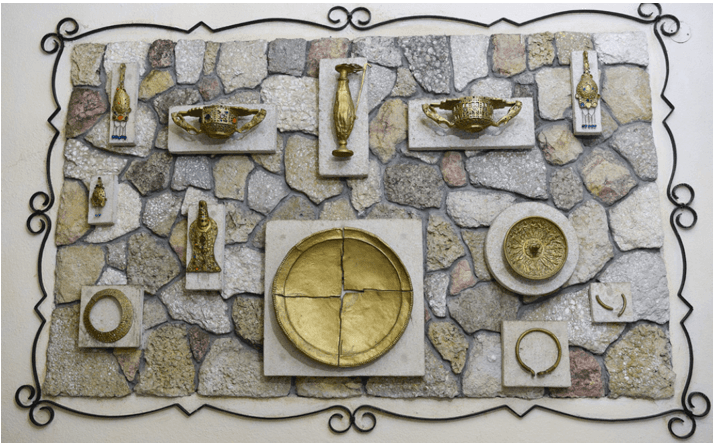
A place with such a historical charge deserves a foray into the past because the true treasure of Pietroasa is the wine.
In 1893 the resort was founded under the name Pepiniera (Nursery) Pietroasa, following the disastrous invasion of phylloxera – being the first unit of its kind in Romania.
At Pietroasa, at the proposal of King Carol I of Romania, an impressive collection of 737 grape varieties was established on an area of 10 hectares – gathered from all corners of the world.
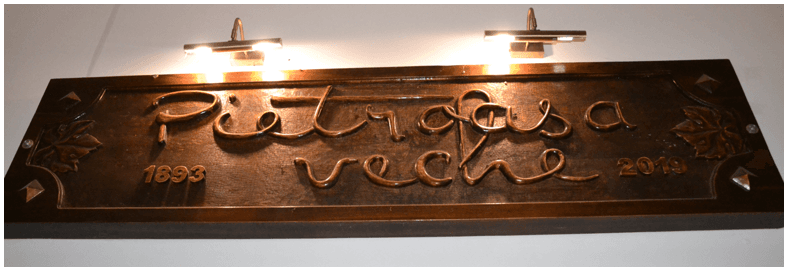
Starting with 1894, the grafting school within the Pietroasa Nursery came into operation.
In 1924, the Pietroasa Viticultural and Oenological Station was also established – a scientific institution – intended to undertake research in order to solve problems related to the viticultural field. Also within this institution, the school of agricultural apprentices was born for the training of practical winegrowers.
In 1958, S.V.O. (Viticultural and Oenological Station Pietroasa) took over the name of ExperimentalVine Pietroasa, and in 1972 it became one of the stations of the Horticultural and Viticultural Research Institute, then of the Institute of Viticulture and Winemaking from Valea Călugărească.
In 2005, it re-entered the subordination of the University of Agricultural Sciences and Veterinary Medicine - Bucharest, as its branch under the name of the Research and Development Station for Viticulture and Winemaking - which is part, territorially, of the Dealu Mare Vineyard.
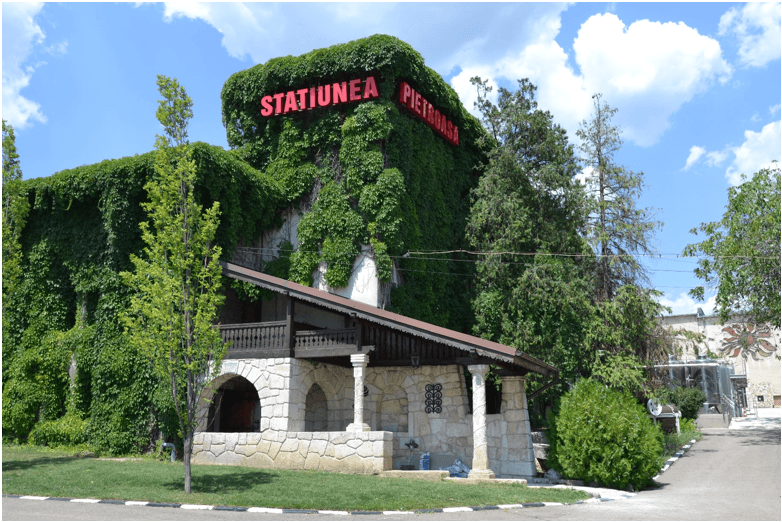
All this extraordinary history of the Pietroasa area was shared with great pride and passion by our host of our visit - the expert oenologist Stanemir Marian, who deserves all our respect for the enthusiasm with which he spoke to us!
Pietroasele and Şarânga, two villages on the Istrița hill, are part of the Dealu Mare vineyard, but there are many differences that distinguish them from the rest of the vineyard. Warm, calcareous soils, low rainfall, a lot of sun - all are conditions that lead to overripening of the grapes. The most appreciated result here are sweet wines, some aromatic, such as Tămâioasa Românească, Grasa and Busuioaca.
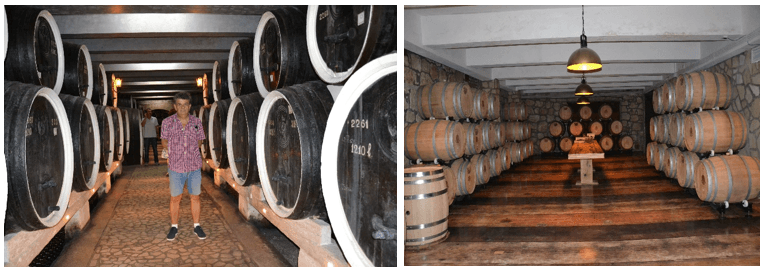
The impressive wine collection, a true national treasure, was started in 1940, and currently numbers almost 100,000 bottles. The oldest date back to the 1940s, and are considered heritage wines. The wine cellar also contains wines from the 1950s, 1960s, and 1970s.
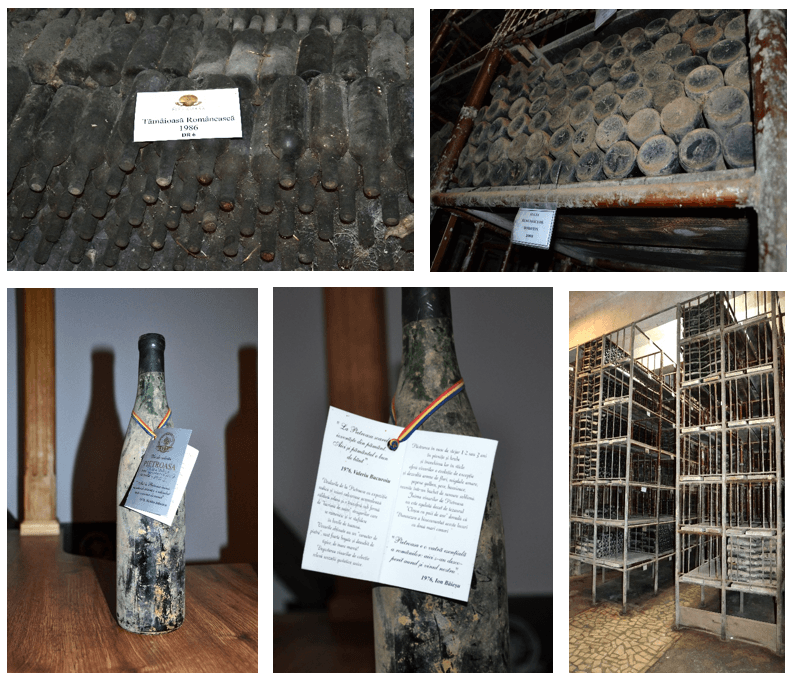
The three varieties mentioned above were also the stars of the wine tasting. We chose the most complex package and it included the following:
Visit to the winery;
Visit to the wine cellar;
Tasting 1 wine Research & Innovation Range;
Tasting 2 wines Selection Range;
Tasting 2 wines Reserve Range;
Tasting 1 wine Winery;
Mixed appetizer platter.
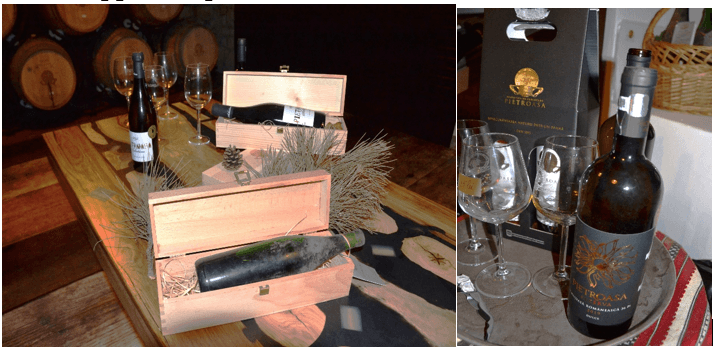
As always after the wine tasting I choose the winning wine!
This was the Tămaioasa Românească sec Reserve, a wine that I will definitely remember.
Extractive wine, with warm aromas of tropical fruits and a grapefruit aftertaste that integrates very well into the general harmony outlined by the fine aromas that emerged from the maturation process. It has a straw yellow color, specific to wines obtained from Tămaioasa Românească, a very intense aroma and a body much above average that gives it a solid position in front of any taster.
This was our visit at Pietroasa. A place full of history, a fascinating story, beautifully told by those who honor this place blessed by God…
I urge you, dear wine lovers, to come to Pietroasa, a place that can be considered without a doubt, as the cradle of Romanian viticulture.