June 1, 2023 - the beginning of summer, beautiful, clear days invited us to a new winemaking journey. This time we chose a vineyard with a great tradition in Romanian viticulture: Murfatlar Vineyard, a vineyard that is part of the Colinele Dobrogei wine-growing area.
It is said that in the past there were two worlds, the divine and the human, the world of the gods and the world of men. Then appeared Bacchus – Dionysus, the God of Wine, who tried to bring men into the world of the gods, to “come out” of themselves through ecstasy and merge with the god, for a while.
And it is also said that the birthplace of Dionysus is the area of Thrace, north of the Danube,more precisely in the territory of today's Dobrogea.
This is how the history of wine in these lands begins, loaded with meanings from the most ancient times. In the museums opened near the ancient fortresses of Dobrogea, there are vestiges preserved from antiquity, especially amphorae and objects dedicated to the god of wine, which show how the cult of Dionysus was practiced by the inhabitants of Dobrogea. The evidence is the vestiges scattered everywhere by our ancestors, brought to the surface by archaeologists.
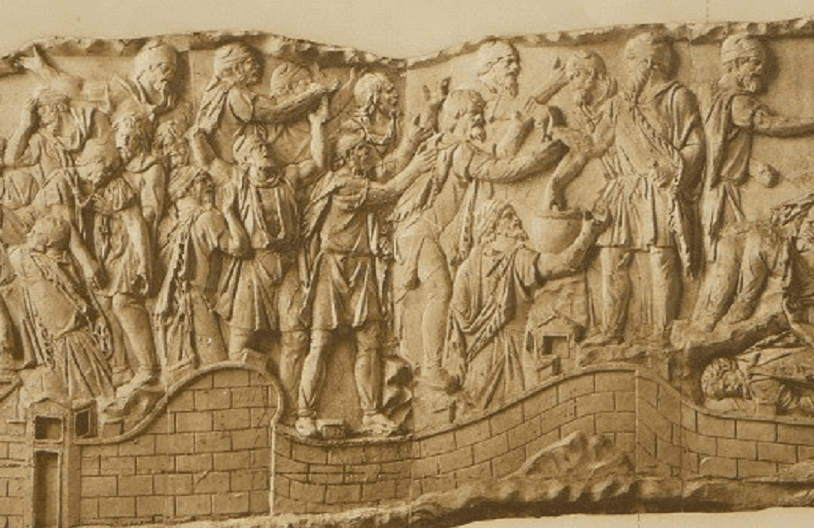
In ancient times, the Thrace area was famous for its wines, and Dacia was seen as a source of wheat and grapes or wine.
The importance of the vine in the Dobruja plains is well known, being mentioned in the writings of the poet Ovidiu (43 BC – 17 AD), one of the classics of Latin literature, exiled by Emperor Octavianus Augustus in the fortress of Tomis.
The history of wine in Romania and Dobrogea is so old that many of the words used in the vocabulary related to wines and vines come from the Thracian or Latin language. Words such as “beci/cellar”, “bob/grape”, “butuc/vine”, “ciorchine/bunch”, “cotor/stub”, which are of Thracian origin, and others such as “viță/grapevine”, “vie/vineyard”, “vin/wine”, “tâmâios/incense tase”, “târie”, of Latin origin, are used to this day and prove an ancient tradition of vine cultivation and winemaking.
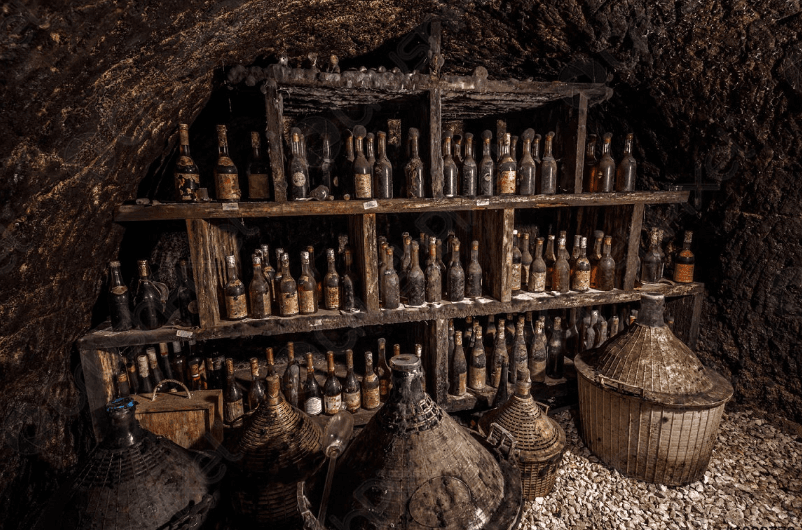
After this introduction in which we familiarized ourselves with this dreamland of vines, let's continue the story of our journey with the second destination (the first being the Rasova winery presented in a previous editorial), a destination called the ALIRA winery.
Here is an area with a plateau relief alternating with areas of low altitude
The Alira story began in 2006 with the search of French oenologist Marc Dworkin who was trying to satisfy the requirements of a perfect vineyard for German businessman Dr. Karl Hauptmann. Feeling the breath and strength of the call of the Dobrogean terroir, the oenologist was attracted by the potential of the area from the first seconds. Today, under the Dobrogean sun, from a soil touching the banks of the Old Danube, grape varieties grow that give Alira wine the strength, complexity and elegance of a memorable wine.
Before reaching the wine in the glass, the vineyard needed a name, and this was given to it through a synthesis of the names of the localities Aliman and Rasova where AliRa wine is born. This is a special place, where the nature works in man’s favor and the only ingredients missing to make a wine full of flavor were passion and skill.
The Alira brand has been carefully built over time through devotion and consistency. On a visual level, the logo that welcomes us, the centaur, draws its inspiration from a fragment of a bas-relief found in the area.
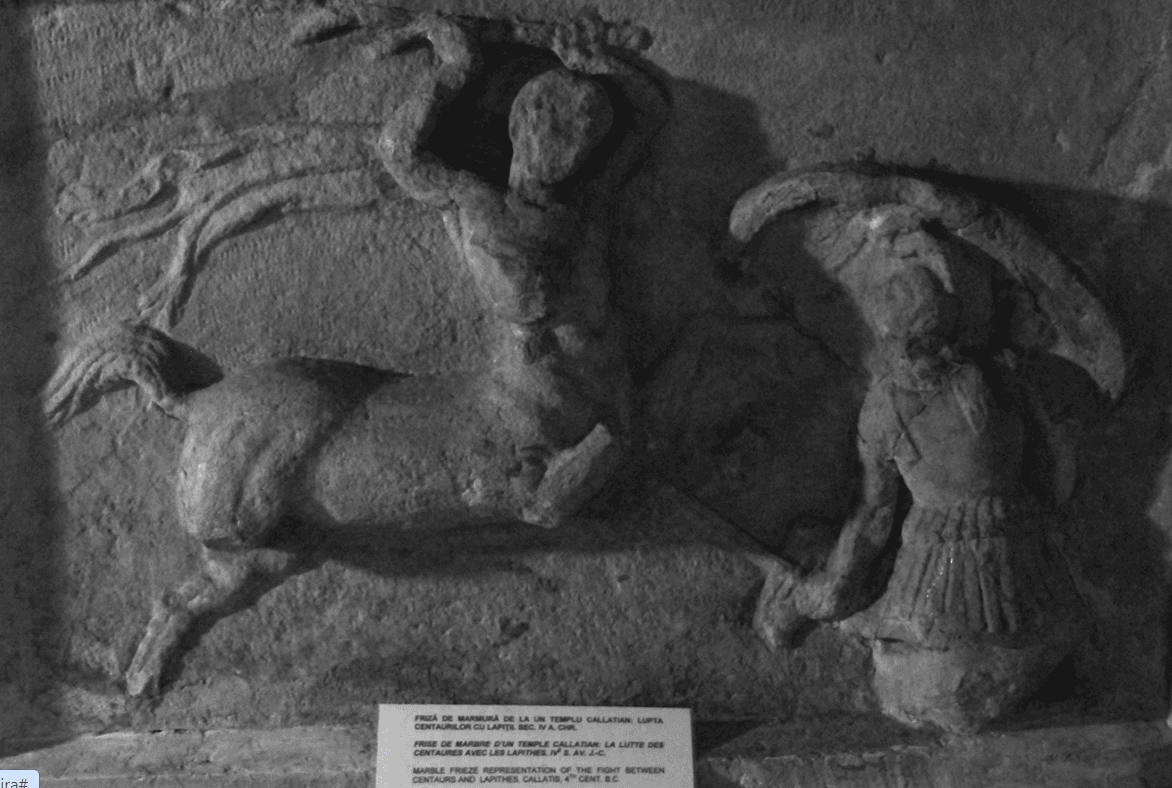
An archaeological piece that accurately represents the symbol of the centaur that was discovered on the lands of Aliman, and can currently be visited at the Constanta Museum.
A symbol of power that identifies with Alira wines that have a masculine side in their composition, represented by the body and fullness of the specific taste.
Alira is an 80-hectare boutique winery, located in Dobrogea, on the hills on the banks of the Old Danube.
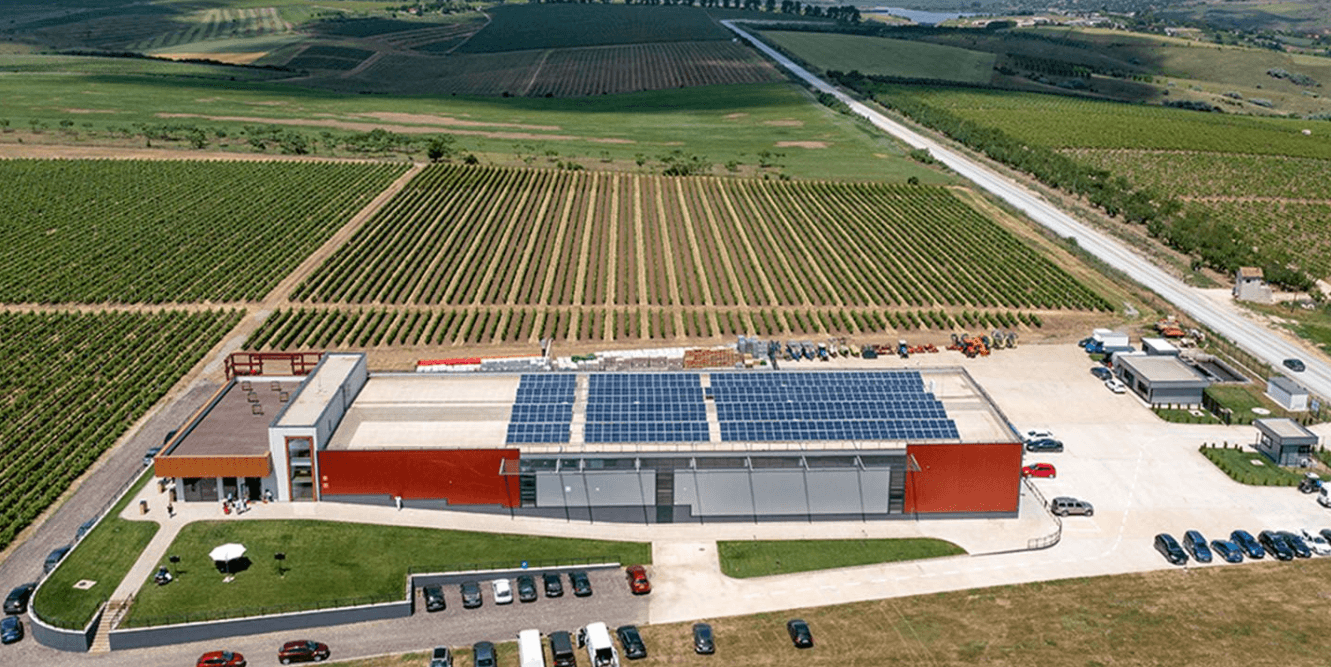
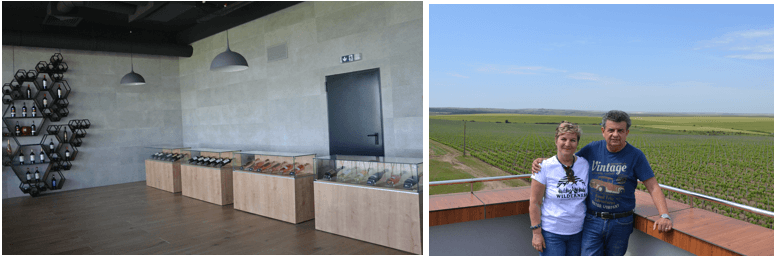
The winery's story continues in 2016, when Patrik Simek, an investor with legal experience but also an intense passion for wines, joins Dr. Karl Hauptmann's project and starts the new construction project.
Starting with an investment in 2019, the new winery, a project carried out by Alira Grand Vins SRL, was inaugurated in June 2022. The total value of the investment is approximately 5 million euros.
The winery is equipped with a state-of-the-art processing line at the time of contracting, purchased from industry leaders in Italy, France, Bulgaria and Romania. The grape reception line is both manual and automated and the processing and storage capacity reaches approximately 1.2 million liters.
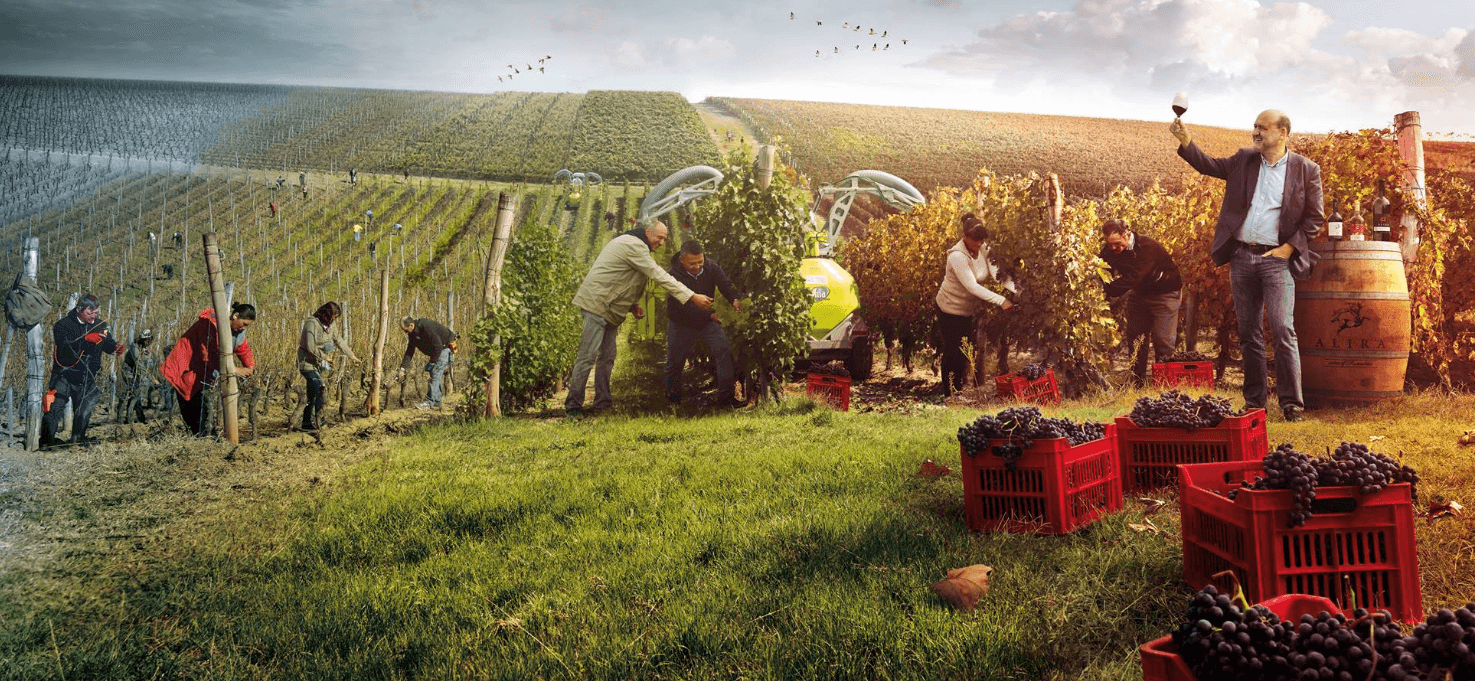
The winery is designed and built on sustainable principles. A significant part of the energy consumption is provided with green energy, through photovoltaic panels mounted on the roof of the building. Air conditioning is provided by a renewable energy system consisting of a geothermal field with 30 drillings at a depth of 100 m and a ground-to-water heat pump that ensures high efficiency. The water source is independent and consists of a quality assurance system, a purification basin and its own analysis laboratory equipped according to European standards.
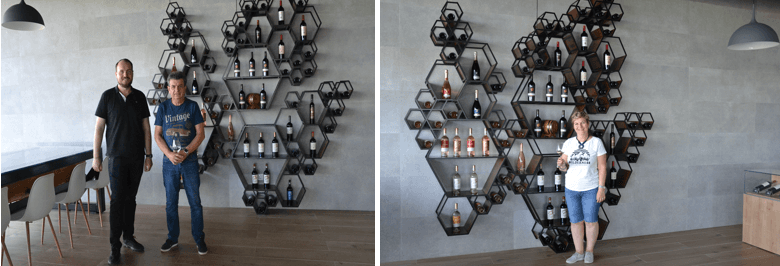
It's time to talk about wines now...The tasting room is part of the modernist project of the entire building, the chosen furniture being very inspired!
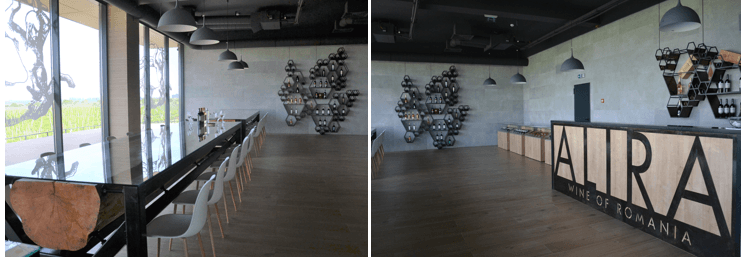
Mr. Bogdan Bocaneală was the host.
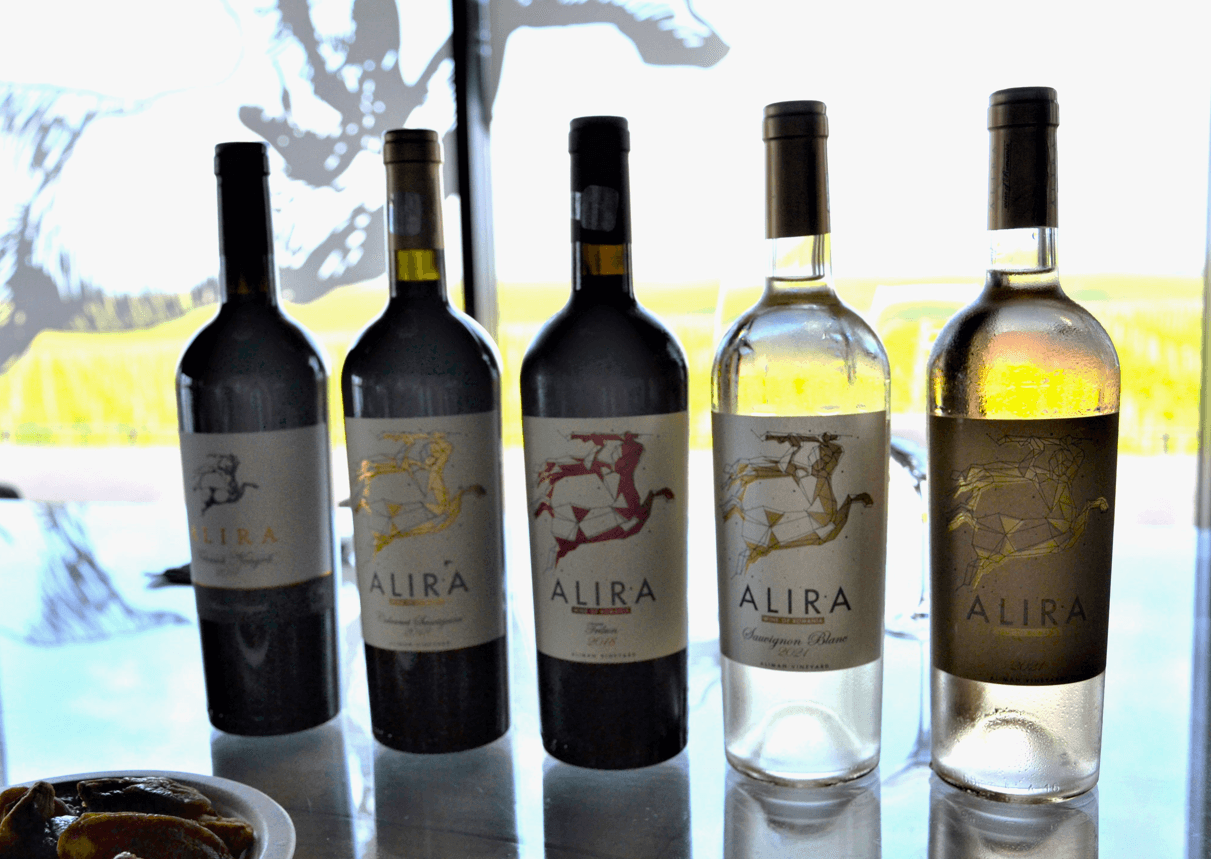
Were tasted 5 wines from the Classic collection: Alira white blend, Alira Sauvignon Blanc, Alira red blend Tribun, Alira Cabernet Sauvignon and Alira Fetească Neagră. As I always do, I choose the star of the tasting…this was Alira Fetească Neagră, the homage that the Alira winery pays to our national variety. Created from hand-selected grapes, the wine obtained reflects the maximum potential of the variety: fine tannins and complex aromas.
Alira Fetească Neagră has ruby hues and an aroma of forest fruits, cherries, dried plums, black raisins, it is slightly spiced, reminiscent of cinnamon, pepper, allspice or vanilla and will certainly become richer and finer with aging. A wine worth watching!
The story ends … Aristophanes said: "Quick, bring me a cup of wine, so that I can water my mind and say something intelligent!"... even I don't have a cup of wine in hand, I'll still try to say something intelligent: "In water, man sees his own face. But in wine, man embraces the heart of another." - Quod erat demonstrandum... Good bye, my tourism wine lovers, we meet in the next editorial with other wineries from the Murflatlar Vineyard.